
We Put Safety and Job-Site Cleanliness First
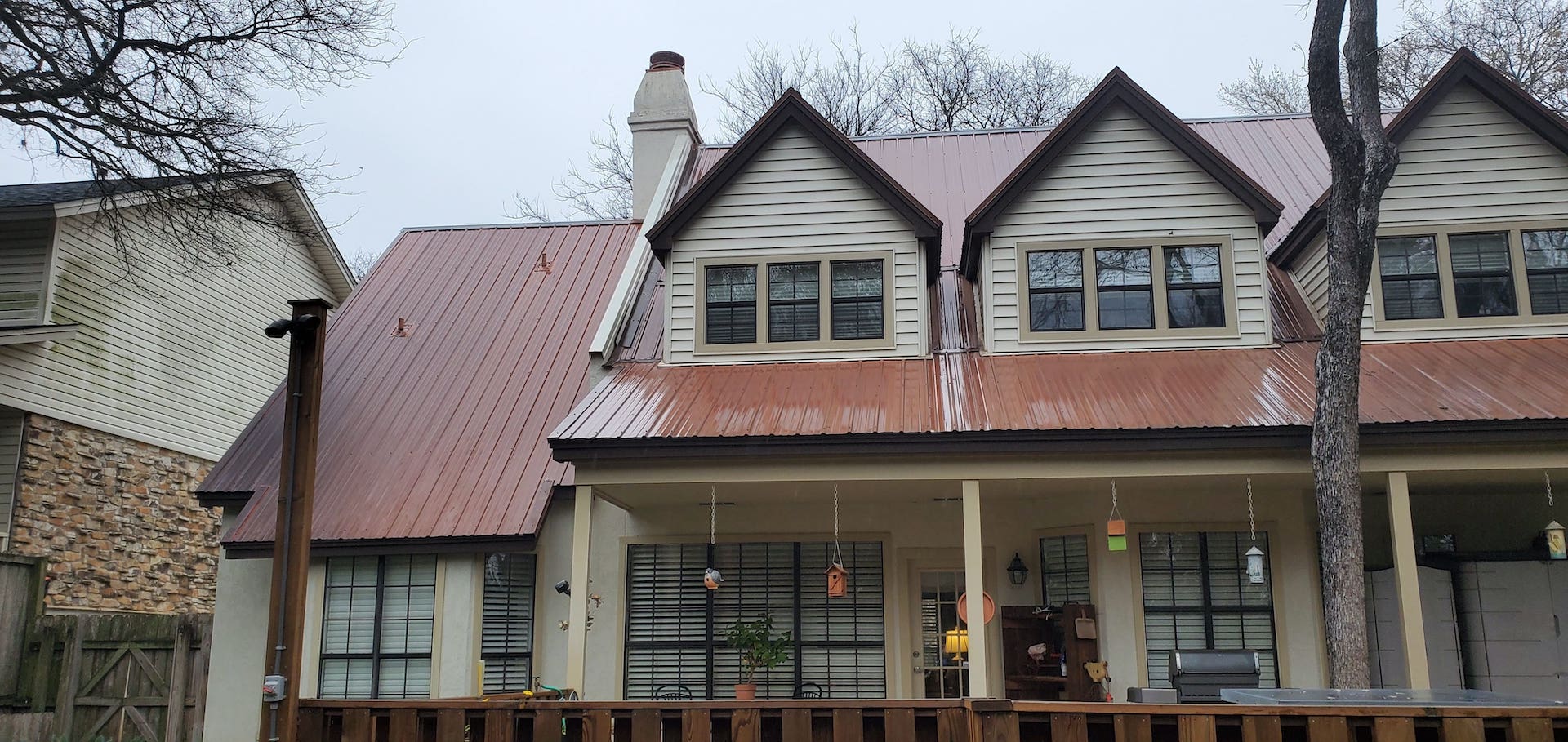
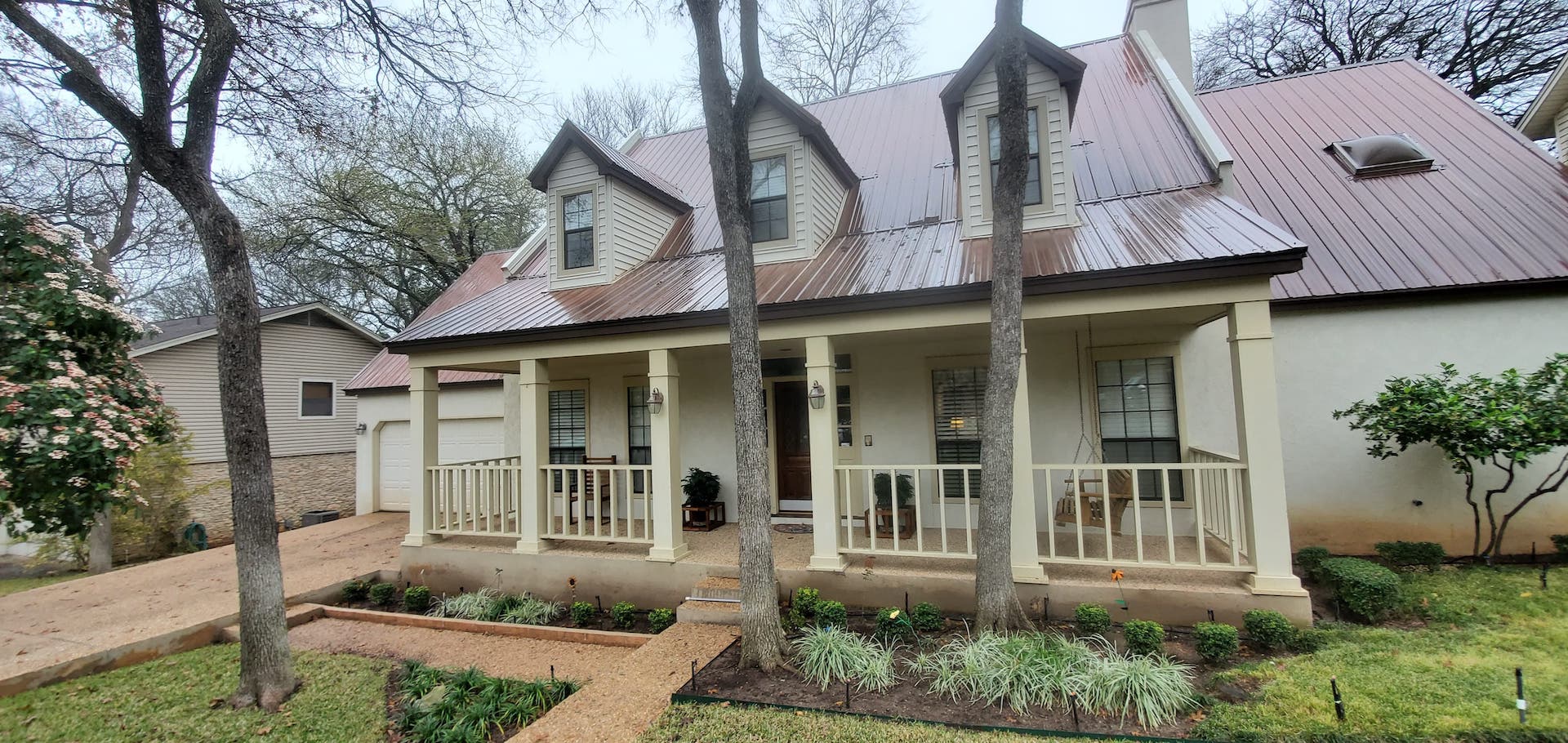
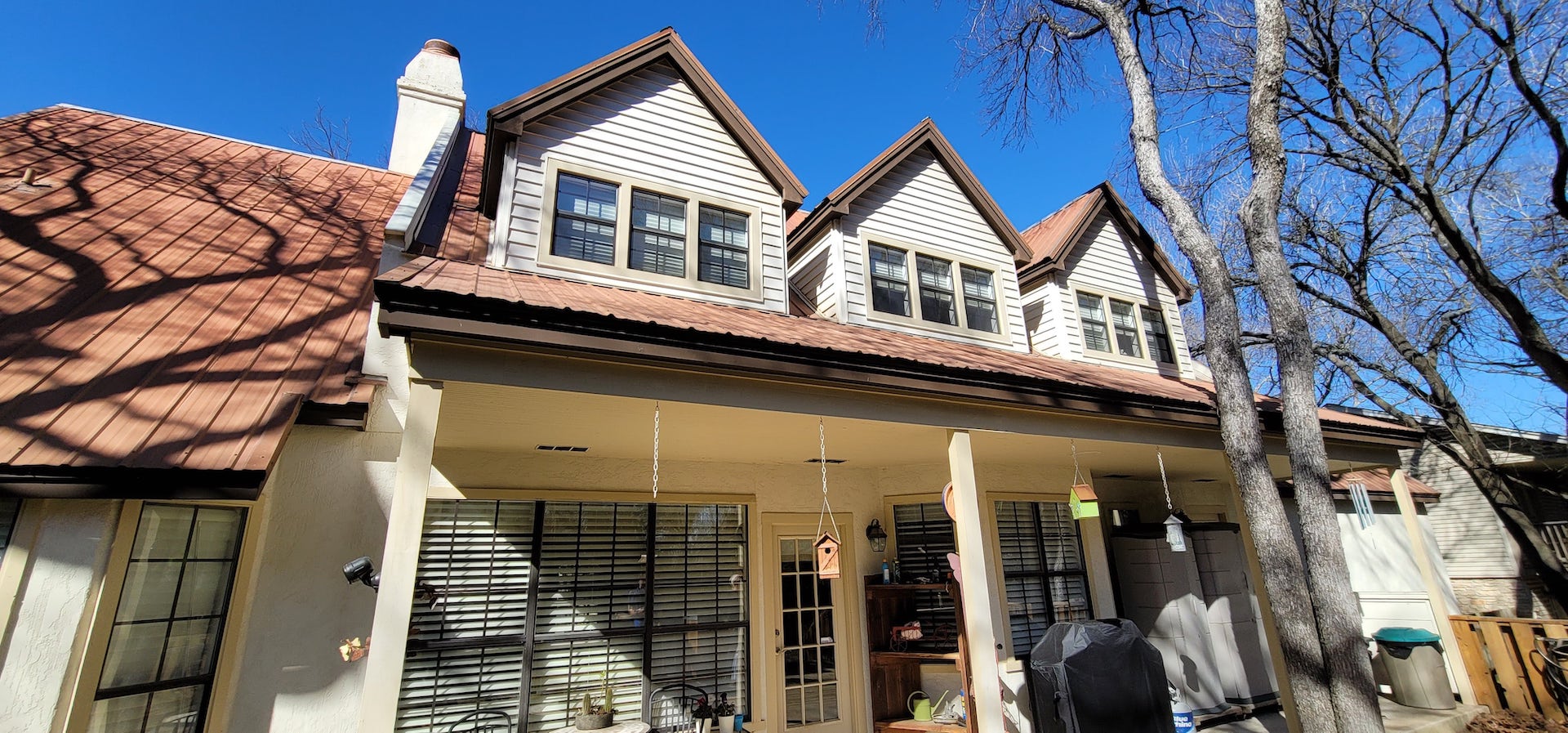
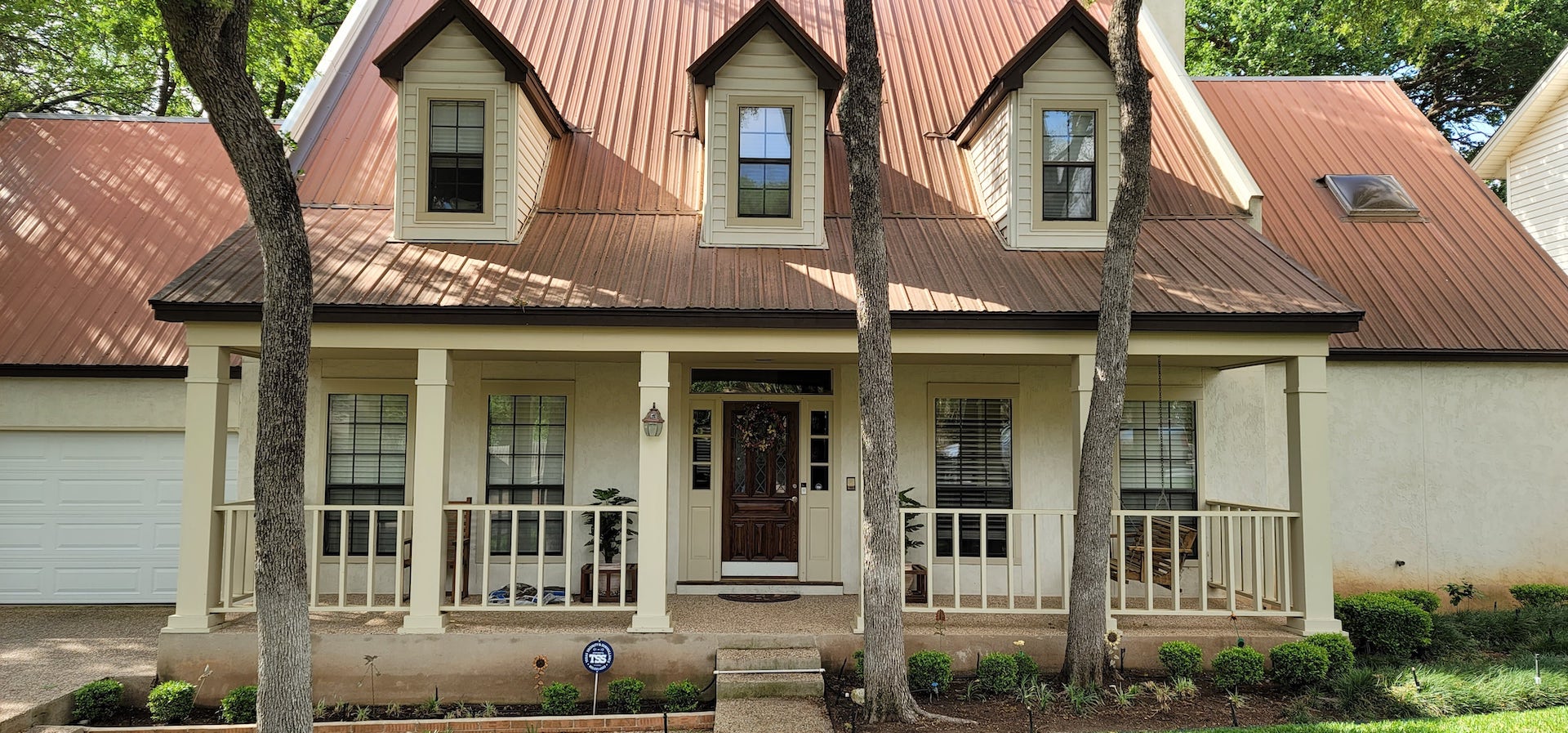
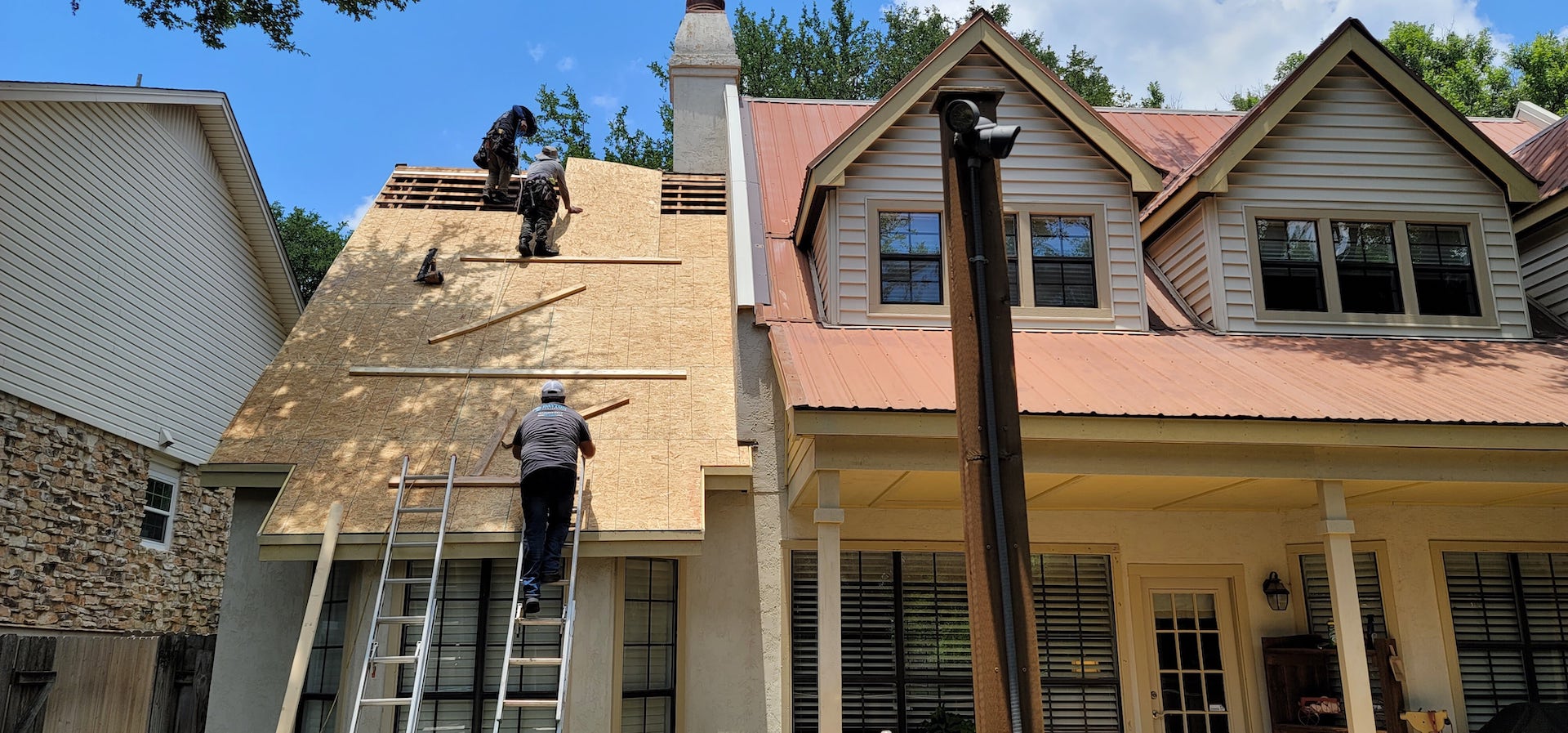
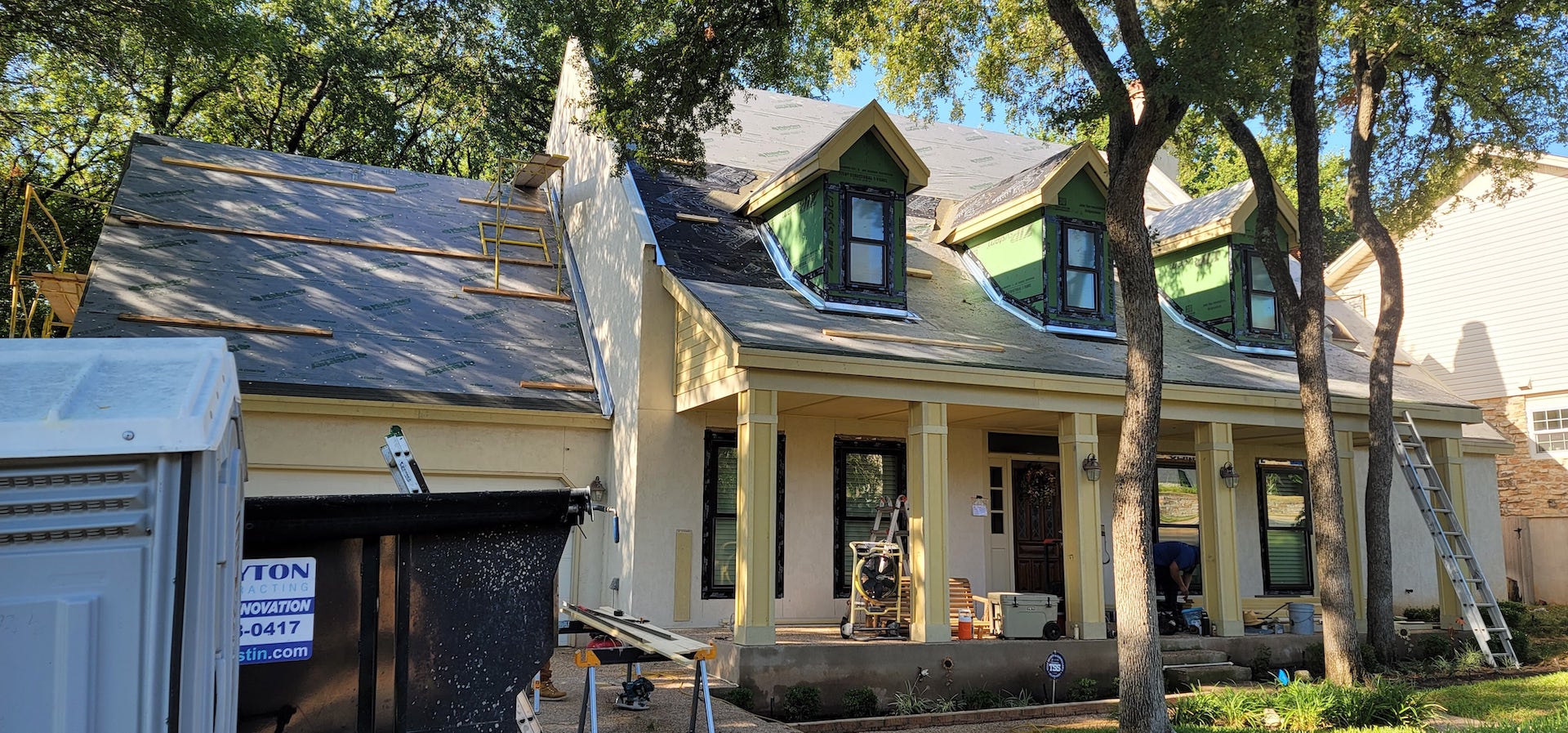
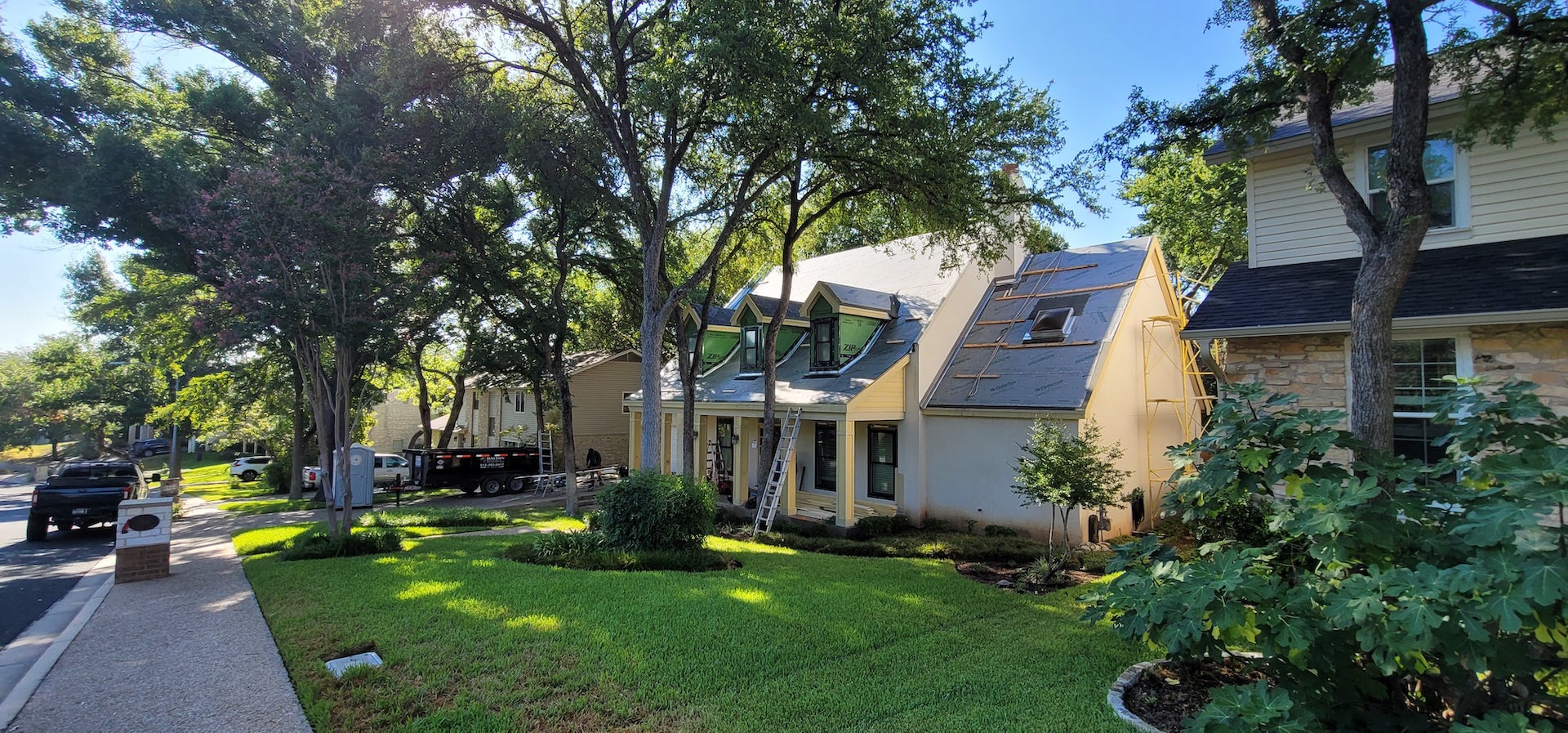
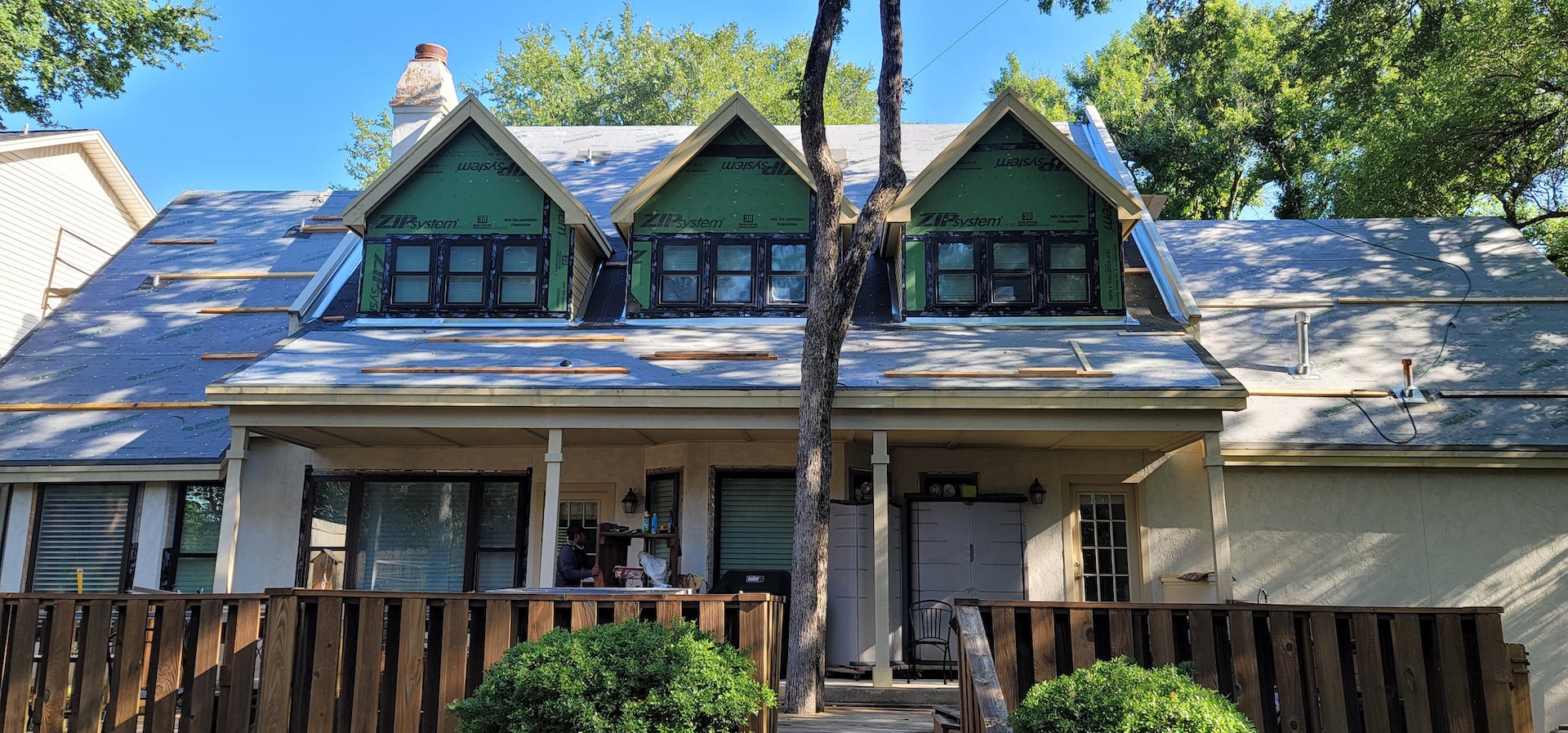
Dayton Co. Roofing & Renovation is Austin’s top-rated roofing and exterior renovation company. We serve our valued customers with top-quality roof replacements and professional repair solutions. We have extensive repair experience and product expertise to educate and help direct our customers with their project decisions.
We will evaluate, and accurately identify the key concerns and required scope, discuss options, and recommend the appropriate plan of action, always followed by a free written estimate.
Our Services
Roof Replacement
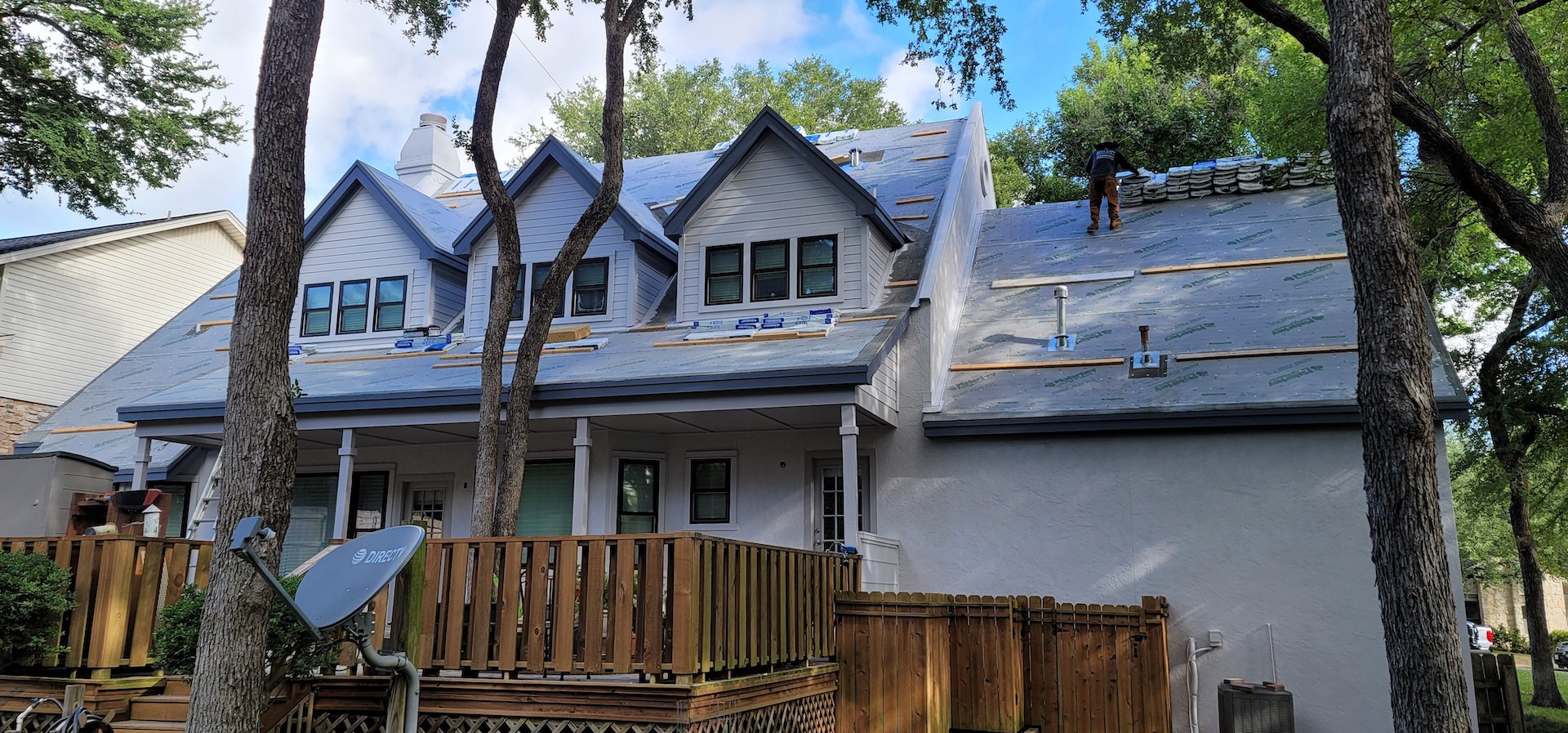
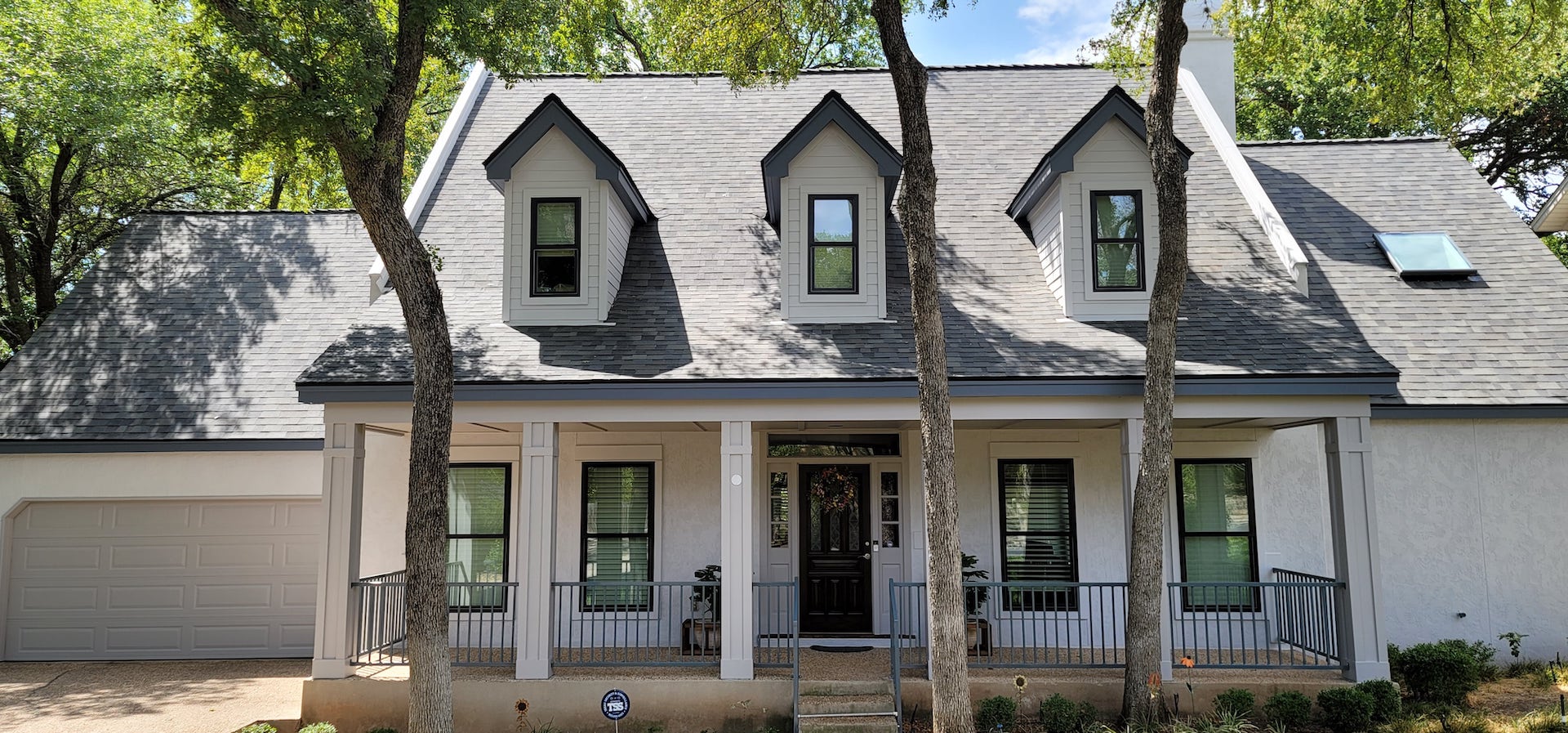
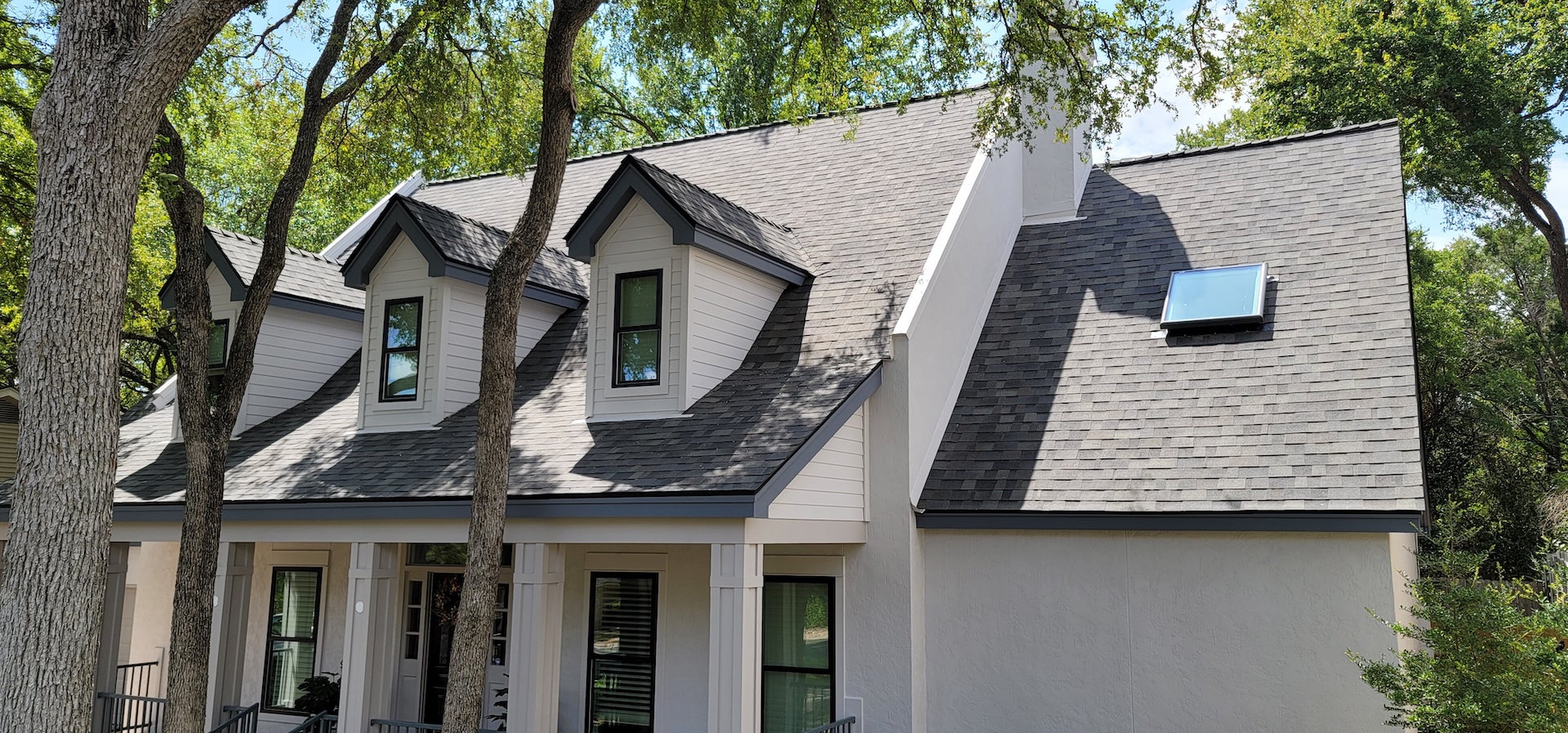
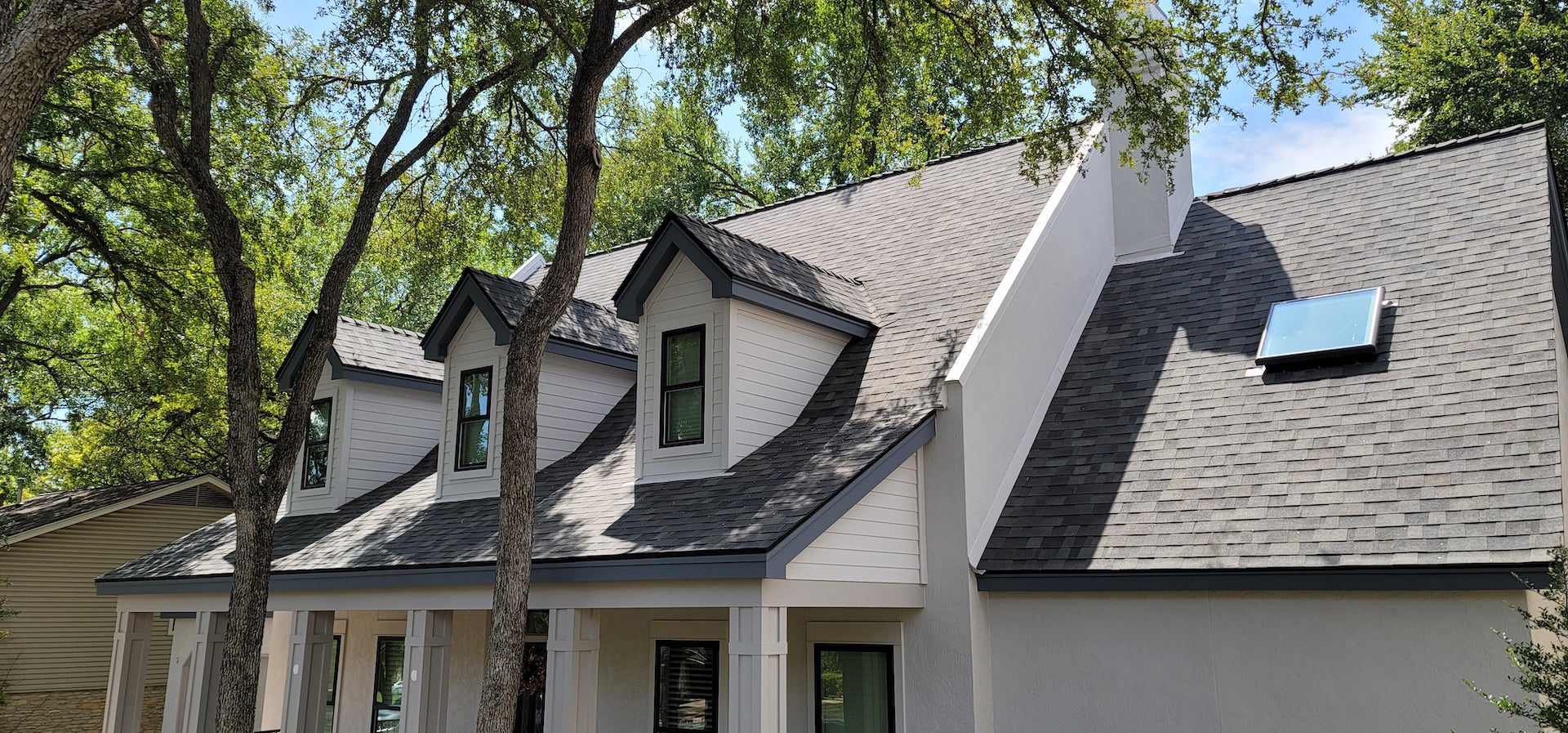
Quality and Affordable Roof Replacements: Beautiful and Affordable impact Resistant options! Protect Your Home, Family, and Investment Today!
Chimney Repair
Get a Free Chimney Leak Evaluation – Prevent damage and protect your home by addressing chimney leaks. Call now!”
Carpentry
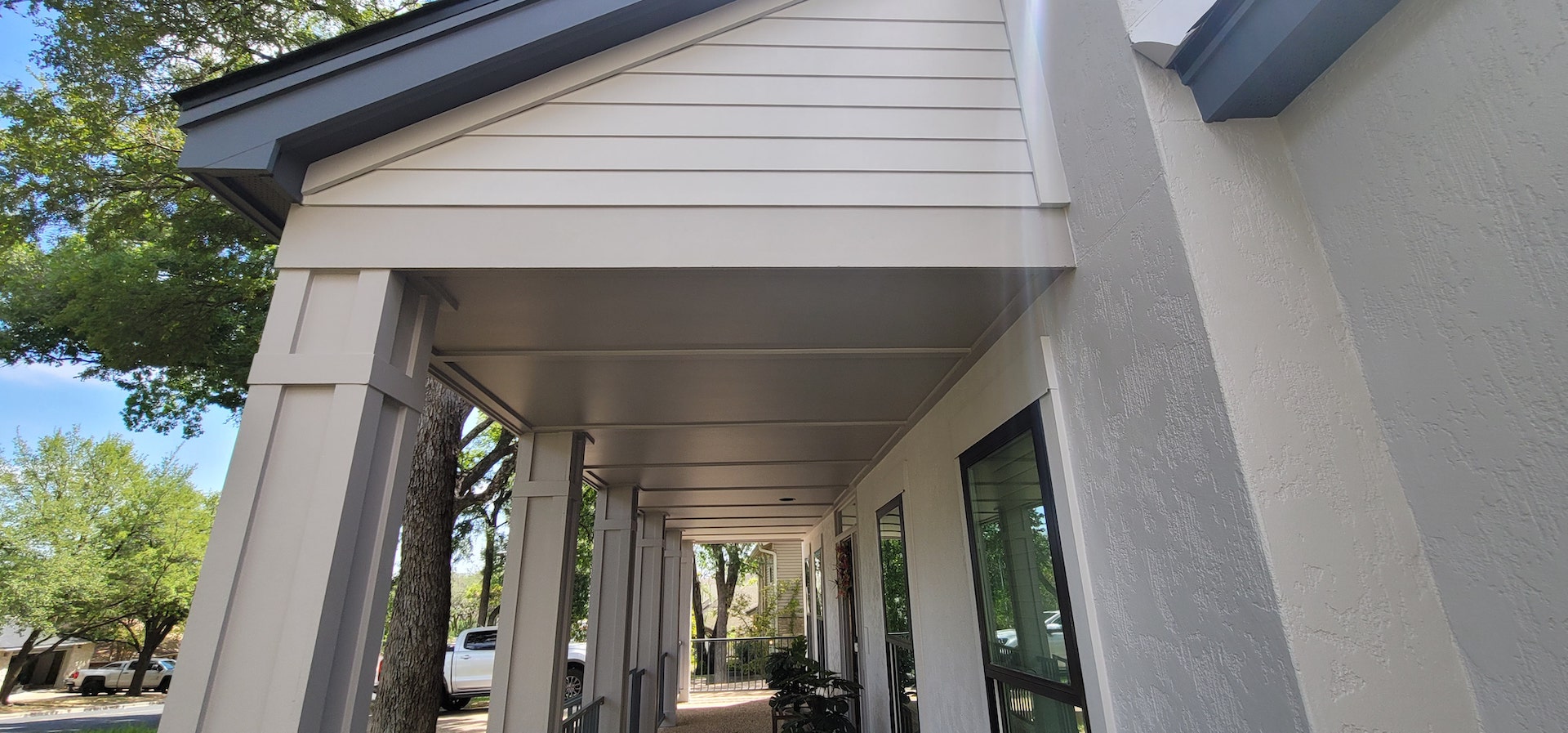
Transform your home’s appeal with our skilled craftsmanship in siding, trim, fascia, soffit, and beyond – ensuring lasting beauty and resilience throughout the years.
Seamless Gutters
Protect your home with our reliable Seamless Gutters. Maximize efficiency, minimize maintenance. Get a free quote and experience the difference today.
Exterior Renovations
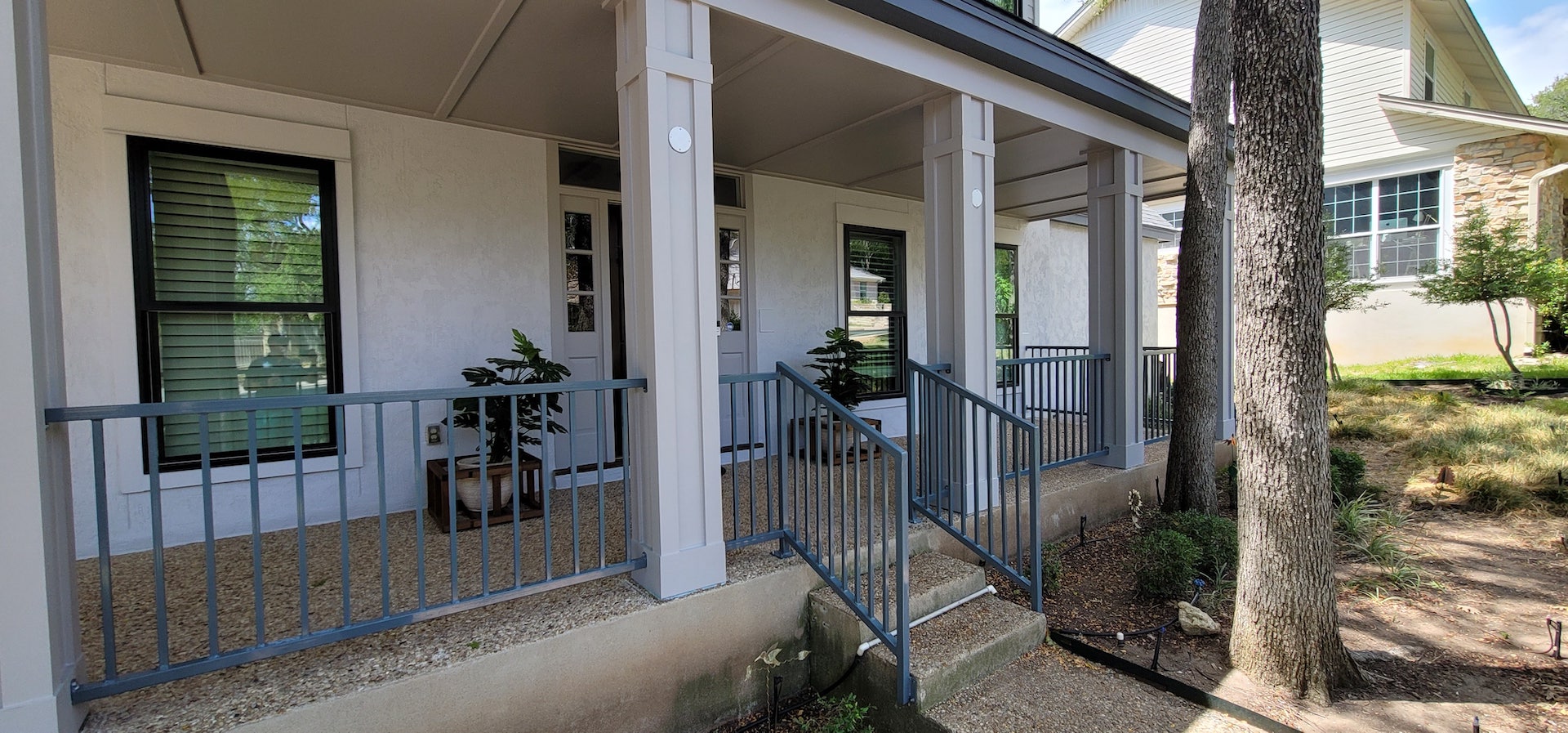
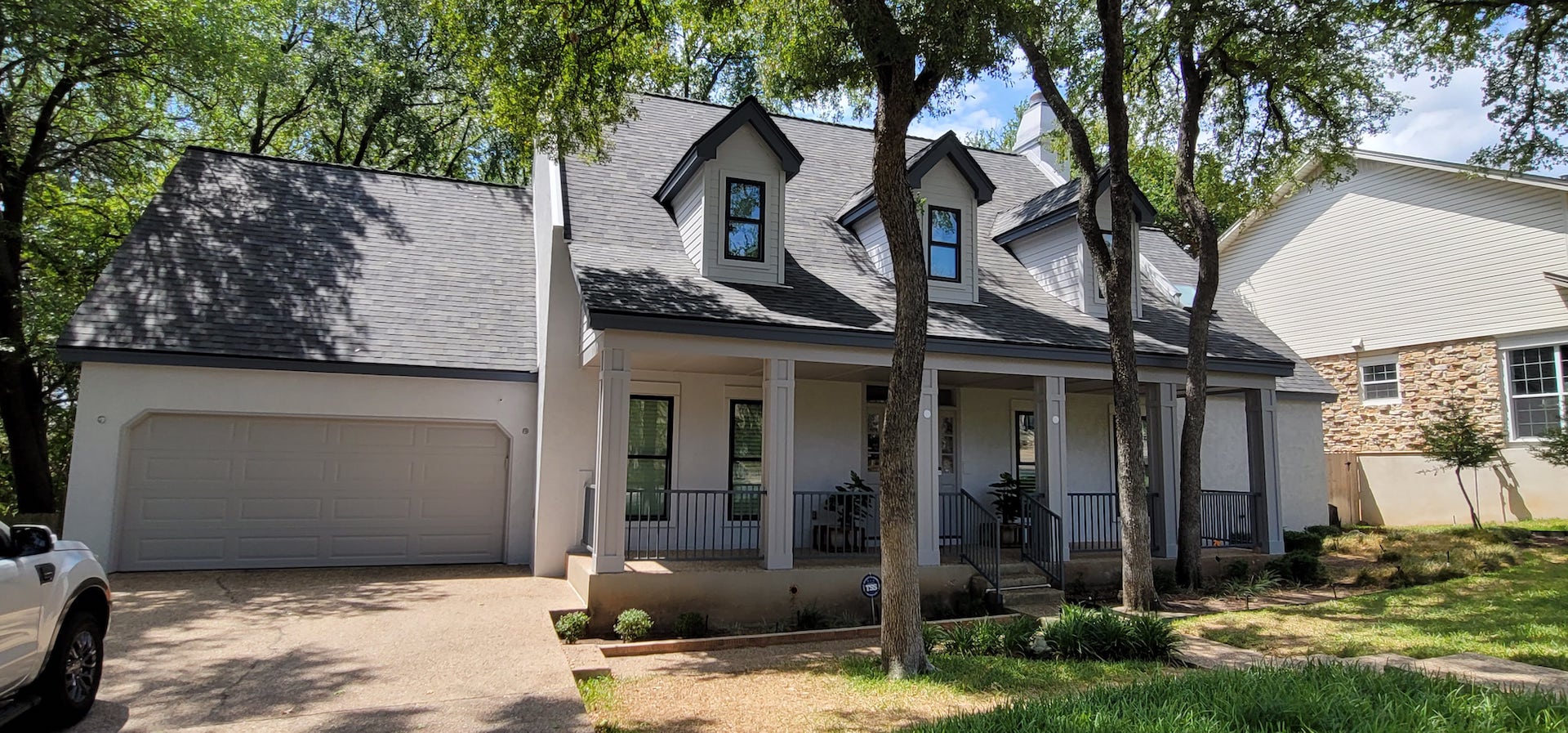
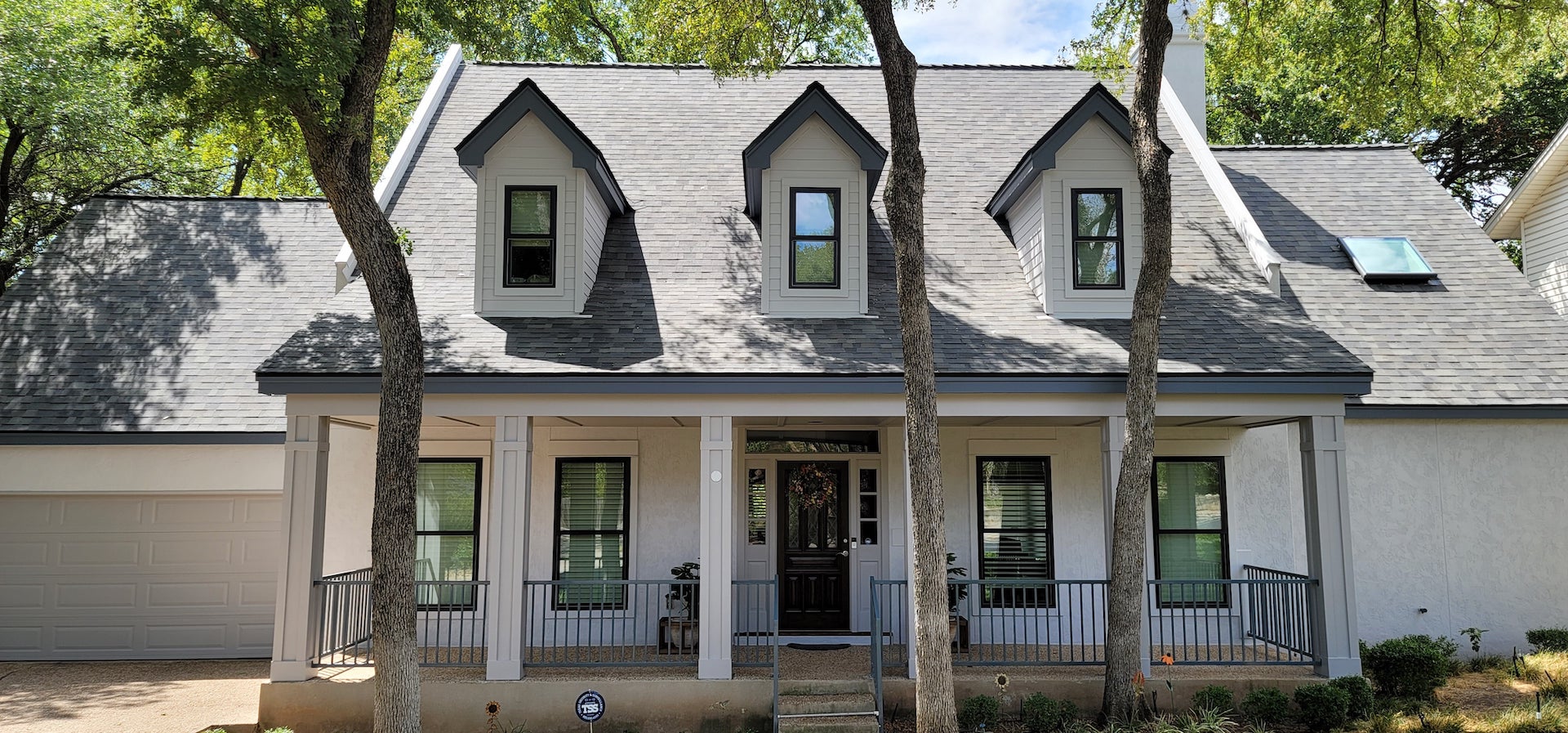
Exterior Renovation Excellence: Our award-winning team delivers top notch roofing, carpentry, stucco, gutters, painting, and more to protect and beautify your home with precision and expertise.
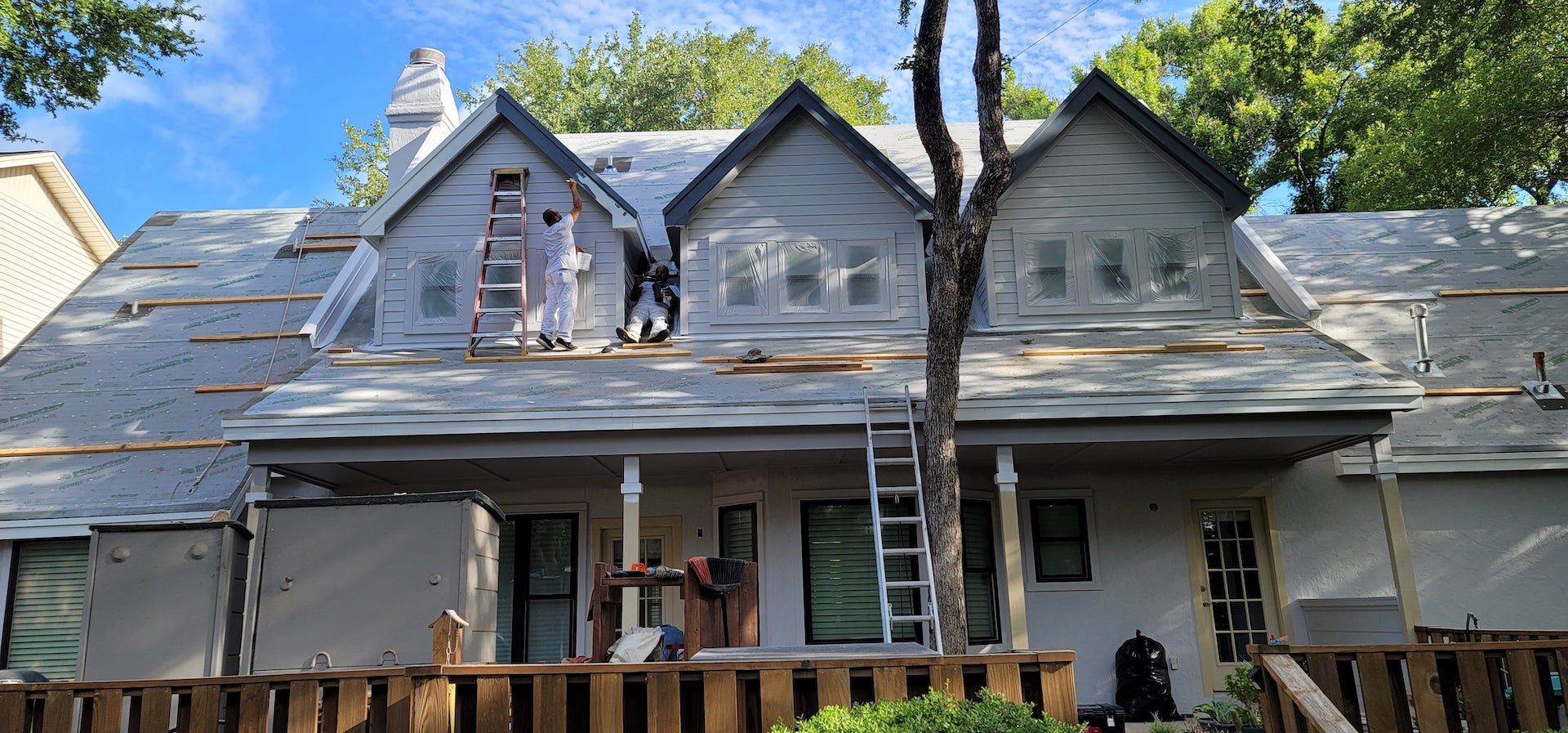
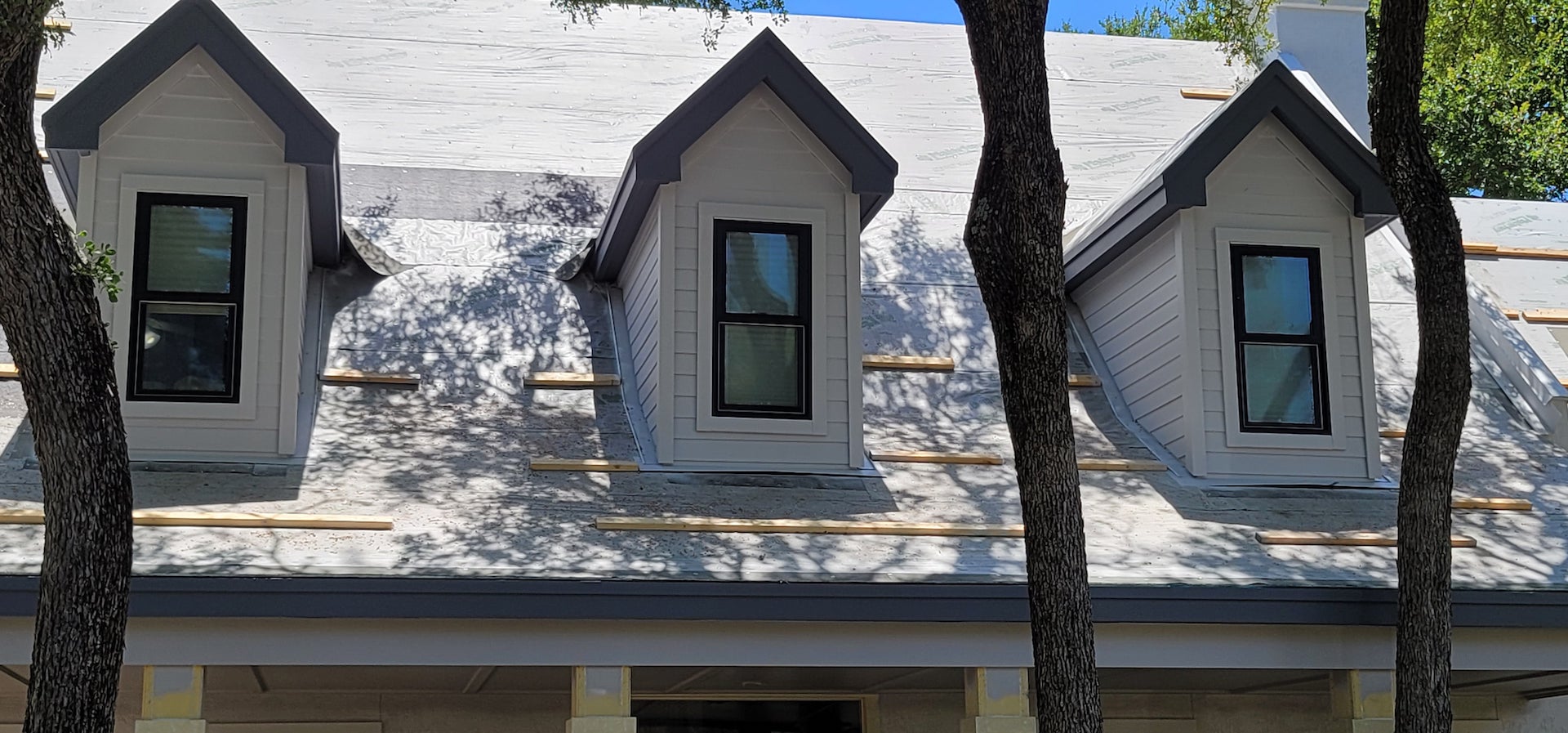
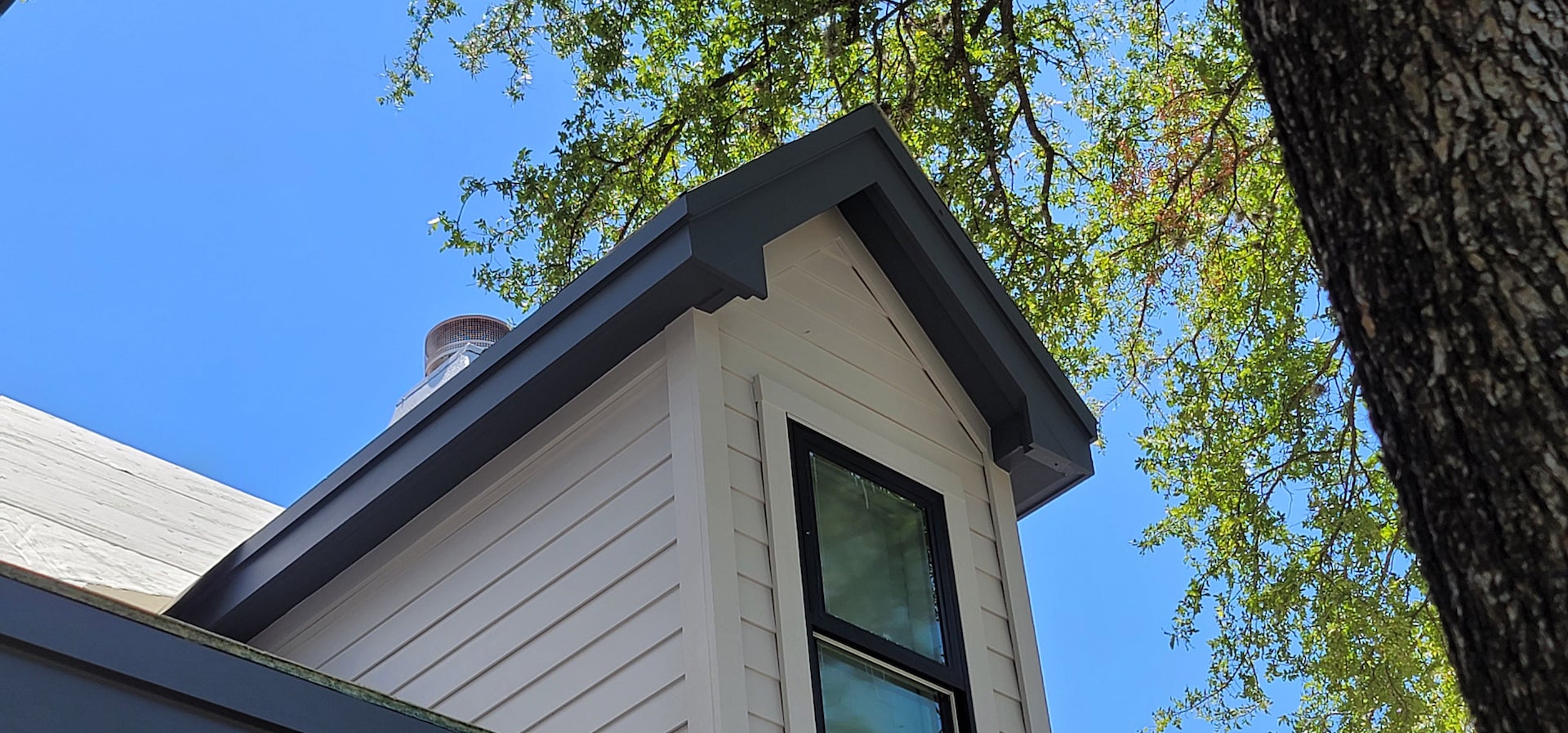
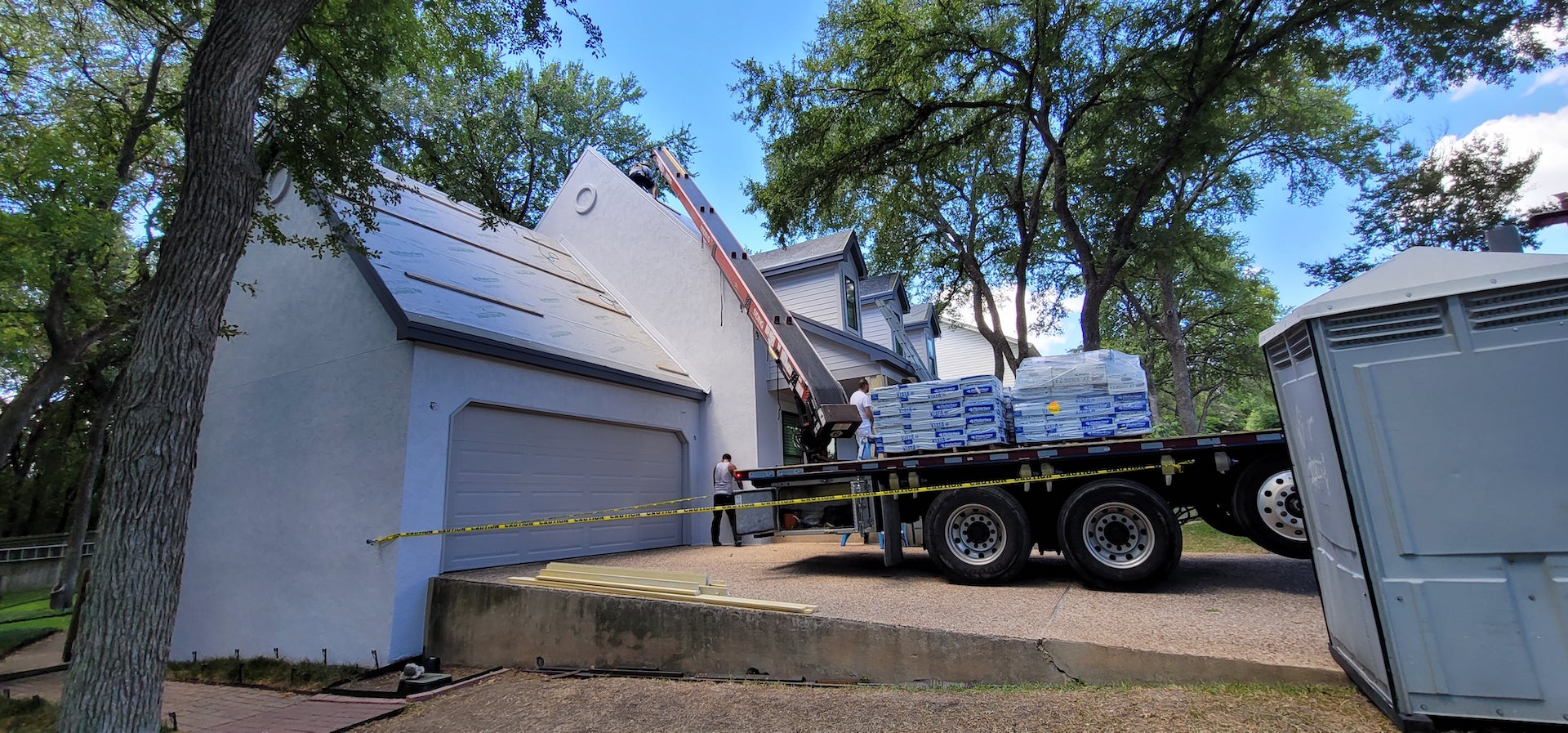
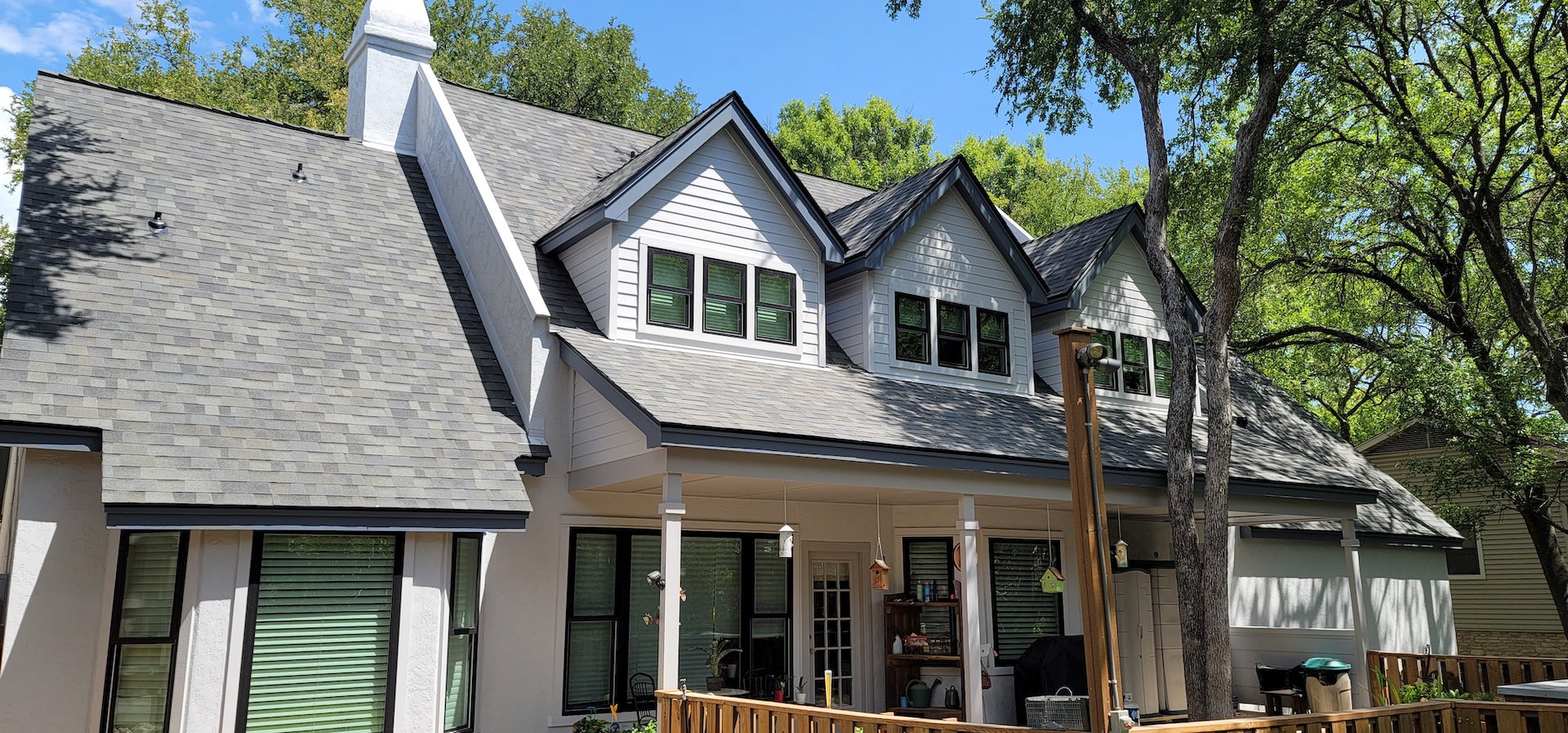
Honest Assessments and Free Estimates
We are a family-owned business, and we are family focused. In the same way, we treat every customer as if part of our family, as a long-term, lifelong customer. Whether you are considering a new roof or repairs and renovations, fascia and gutters, chimney, siding or paint project, we have the experience and the product knowledge to help you make the right choices.
We will consider your budget and direct your investment in the best way forward. We love helping people with what are often difficult circumstances, and in areas that many don’t know much about. We provide honest evaluation and free written estimates for all our projects. We are a low-pressure company and will never be forceful or pushy, but patient and willing to educate and explain every recommendation we put forth. Contact us today for a free estimate.
Quality Customer Experience is Our Priority
We are proud and grateful for the loyal customer base we gained over the years, all of whom are very important to us. We strive for every new customer to be welcomed into our growing base of repeat customers and loyal friends. We win them with personal attention, listening to and understanding their needs and objectives, while offering patient explanation and education of the products and services we recommend.
We are generous with the knowledge and experience we’ve acquired, and we love to share it with our customers through the quality of work and service we provide.
Hear From One of Our Many Super Satisfied Customers!
Get a Free Estimate
We provide free estimates and honest evaluation of your roof, siding, window, stucco, or paint projects. We are a low pressure company. We will never be forceful or pushy, but patient and willing to educate and explain every recommendation we put forth.
Our Blog
The Benefits of Rubberized Asphalt Shingles for Texas Homeowners
As an Austin, Texas homeowner, you’re well aware that our area’s weather can be both a friend and a foe. One day, you can be
The Dangers Of Ignoring Rot Damage In Your Roof
Your home is your sanctuary. It provides comfort and protection for you and your loved ones. However, there is one vital component of your sanctuary
How Do You Know When It’s Time To Replace Your Roof?
Ever think to yourself, “Does my roof need to be replaced soon?” This is a question often posed by many homeowners – especially if